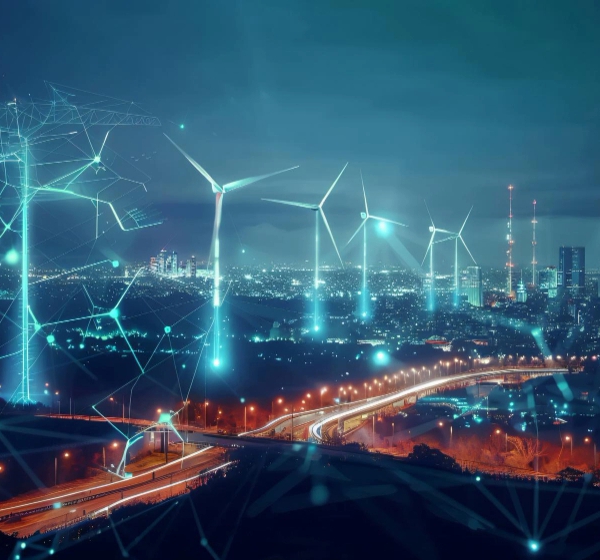
Digital twins, which are virtual models of real-world systems showing live information, are no longer a far-off idea. They are now expanding across construction, manufacturing, healthcare, energy, and transportation. Projections have suggested that at least 40% of large companies will be utilizing digital twin technology to enhance their operational outcomes. (Gartner)
Here's a look at the top three reasons companies are adopting Digital Twin Technology:
1. Real-Time Data and Prediction
A digital twin is a live model of a real thing. It continuously takes in data from sensors, systems, and networks to reflect real-world conditions in real time.
Why it's useful:
- Real-time monitoring: Engineers and decision-makers can see exactly how equipment, buildings, or systems are performing, and predict operational failures rather than relying on delayed reporting.
- Predictive insights: It utilises AI and advanced analytics so that digital twins can simulate “what if” scenarios and forecast failures before they happen.
This shift allows businesses to move from reactive maintenance to predictive strategies. Instead of reacting to problems, businesses can see them coming. They can make better maintenance schedules and avoid downtime. This changes decisions from estimates to data-smart insights.
For example, digital twins in the oil and gas sector have reduced unexpected work stoppages by 20%. This translates to saving approximately €3.03 million a month. (Astute Analytical)
2. Cost Efficiency and Runs Smoother
Applying digital twin technology can reduce cost, and make operations smoother.
How digital twin technology saves money:
- Reduced maintenance costs: Predicting when maintenance is needed means fewer unnecessary inspections and repairs, and prevents costly emergency repairs.
- Improved resource allocation: By simulating different operating scenarios, organisations can find optimal configurations to use energy, staffing, and workflows.
- Faster iteration cycles: Testing in a virtual world means fewer real prototypes, which results in faster product creation and saves money on materials.
For example, Ikea applying digital twin technology and AI across its East Asia locations has resulted in a 30% reduction in energy used by its HVAC systems. This helps them save millions of operational costs. (World Economic Forum)
3. Digital Moves + Staying Connected
Digital twins aren't alone; they integrate real-time bidirectional integration between the physical world and the digital platform.
What makes it possible:
- Ubiquitous IoT sensors: Affordable sensors that connect to networks allow constant monitoring of a wide variety of assets.
- Cloud computing & edge processing: Organizations can handle large data streams and run complex simulations faster and cheaper.
- AI and machine learning: Self-learning models make twin simulations smarter over time.
- 5G and remote monitoring: High connectivity enables real-time synchronization even for widely distributed systems.
All together, these technologies form the foundation that enables digital twins to scale from pilot projects to enterprise-wide deployments.
Most businesses don't need to build digital twins from scratch. They can use ready-made platforms and add them to their current digital plans.
What This Means Going Forward
Digital twins are key tools for industries that rely on dependability, performance, and year-over-year growth. They allow businesses to watch, simulate, and improve in new ways in a secure digital environment. As more data flows online and connectivity gets better, the Digital Twin industry will continue to expand.
.png)
.png)
.png)